
Create a Wallet
Understand wallets, addresses and networks before creating or importing.
View steps →Understand multi-chain assets, network selection, sending and receiving, DApp connections, token approvals, blockchain concepts and wallet security within one clear workflow.
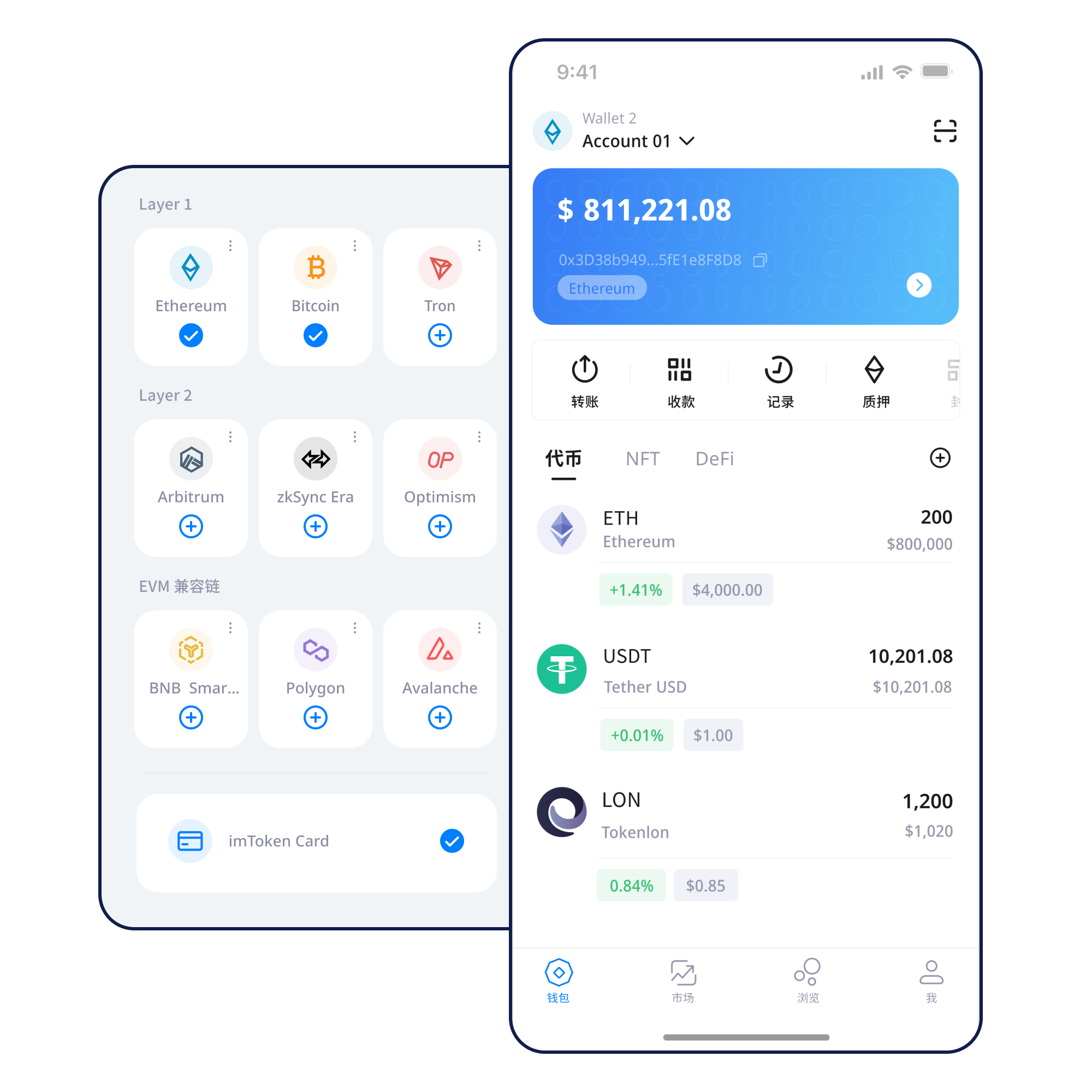
Understand wallets, addresses and networks before creating or importing.
View steps →Keep the seed phrase offline and away from screenshots, chats or public cloud storage.
Backup guidance →Confirm the intended network before sharing a receiving address.
Receiving guide →Review the address, network, amount and gas before broadcasting.
Transaction checks →A connection is only the beginning; each later signature or approval still needs review.
Connection guide →imtoken brings wallets, networks, transactions and Web3 actions into one understandable structure without flattening every task into identical tiles.
Keep network state, addresses and transaction rules distinct even when address formats look similar.
 Explore multi-chain →
Check the receiving address, network, amount, gas and transaction hash.
View the workflow →Review assets, manage networks, track transactions and connect to DApps on mobile.
A browser connection is not the same as permission. Review request sources, contracts and approval scope, then disconnect sessions you no longer need.
Network choice affects fees, confirmations, asset visibility and contract behavior. The topics below are fully present in the page even without JavaScript.
Each chain has its own state and fee rules. Always identify the current network and intended destination.
Public chains use nodes to propagate transactions and build blocks. Confirmations help users evaluate finality.
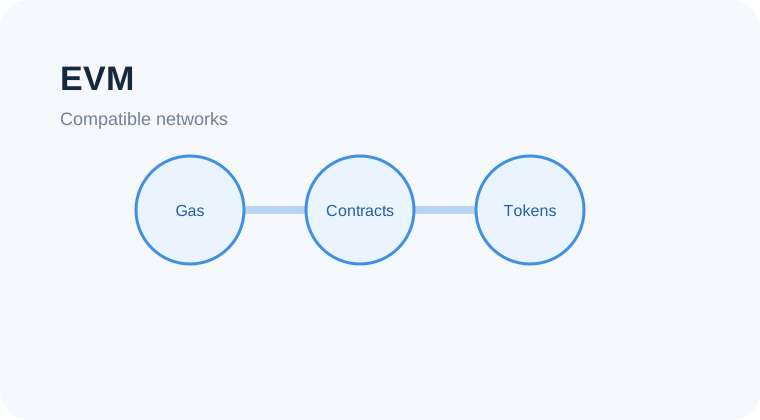
EVM networks share familiar patterns, but gas assets, parameters and ecosystems still differ.
Layer 2 systems improve capacity and can introduce bridging steps, waiting periods and different confirmation logic.
Gas depends on network execution demand and congestion. Use on-chain status to follow a broadcast transaction.
Site download buttons point to the same local download page.
Understand the difference between creating and importing before proceeding.
Keep seed phrases offline and never disclose private keys or verification codes.
Similar address formats do not replace a network check.
Check the address, network, amount and required network fee.
Read DApp requests before signing and periodically remove unused approvals.
Connecting a wallet does not mean every signature request should be approved. Review each signature and approval independently.
Open the Web3 guide →Wallet security is not an “absolute safety” promise. It is a set of repeatable checks and custody habits. Seed phrases and private keys remain under user control, legitimate support does not ask for them, and every transfer, signature or approval should be reviewed before confirmation.
Open Security Center →Learn addresses, seed phrases, private keys, networks, gas, transaction hashes, DApps and approvals in the order they appear in real use.
Start learning →How nodes, blocks, confirmations and explorers relate.
Addresses, gas, tokens and approvals.
Mainnet relationships, bridging and network choice.
Understand permission scope and suspicious requests.
Understand Ethereum PoS, validators, reward sources, network state, withdrawals and exit mechanics. Staking does not guarantee returns, and exit waiting periods can change.
Learn about Ethereum staking →Validators can face network penalties. Smart contracts have technical risk, digital asset prices fluctuate, and third-party services can add further dependencies.
Understand PoS & Validators →How to read assets and transaction status across networks.
Connections do not remove the need to inspect messages, transactions and approvals.
Understand status and waiting differences during cross-layer activity.
Learning content remains organized around real user tasks.
Read the getting-started and security guidance first, then continue to the download flow when appropriate.
Download imtoken